
Inserting and Removing Scleral Lenses Without Plungers: Finger Techniques That Actually Work
Knowing how to insert and remove scleral lenses without plungers is a skill every scleral lens wearer should have in their back pocket. These finger-based techniques work reliably in a pinch, whether you left your plunger at home, it cracked during travel, or you simply want a more tactile method of handling your lenses.
Key Takeaways
You can safely insert and remove scleral lenses without a plunger using proper finger positioning and lubrication.
Lubricate your eye with preservative-free saline or rewetting drops before any removal attempt to reduce friction and protect your cornea.
Keep your fingernails trimmed short and smooth before attempting any manual technique.
The lid margin technique is the most effective plunger-free removal method for most scleral lens wearers.
If your eye becomes red, painful, or increasingly irritated, stop immediately and contact your eye care provider.
Professional fitting and training from a qualified optometrist significantly improves your success rate with these techniques.
What Scleral Lenses Are and Why Handling Them Differs From Standard Contacts
Scleral lenses are large-diameter rigid gas-permeable lenses, typically ranging from 14.5 mm to over 22 mm in diameter, that vault entirely over the cornea and rest on the white part of the eye called the sclera. Unlike soft contacts, they create a fluid-filled reservoir between the lens surface and the corneal tissue. This reservoir provides consistent hydration and a smooth optical surface, making sclerals the preferred option for people with keratoconus, severe dry eye, corneal scarring, and other irregular cornea conditions.
Because of their size and the vacuum seal they form on the eye, scleral lenses require more deliberate handling than standard soft lenses. Plungers (also called DMV tools) are the conventional removal aid, but they are not always available, which is why understanding how to handle these lenses manually on the home page of Texas Contact Lens Institute protects your eye health during travel, emergencies, or situations where your equipment is unavailable.

Things to Know
Scleral lenses form a mild vacuum seal against the sclera, which is what makes removal feel more resistant than removing a soft lens.
Preservative-free saline is the only fluid recommended to fill the lens bowl before insertion; tap water is never safe for contact lens use.
The CDC guidelines on contact lens hygiene apply to scleral lenses too, including thorough handwashing before any handling.
If your lens has a toric or prism ballast design for astigmatism correction, it must be rotated to the correct orientation before insertion.
Not all optometrists fit scleral lenses, and you should seek a provider with demonstrated specialty contact lens experience, such as the team you can meet the doctor with at Texas Contact Lens Institute in Plano, TX.
Scleral lens handling techniques can vary slightly depending on lens diameter and your personal eye anatomy, so individualized training from your fitter matters.
Preparation Steps Before Inserting or Removing Scleral Lenses
Preparation is not optional. Rushing into insertion or removal without the right setup increases your risk of dropping the lens, scratching your cornea, or contaminating the fluid reservoir.
Handwashing and Nail Care
Wash your hands thoroughly with soap and water for at least 20 seconds, then dry them with a lint-free towel. According to the American Optometric Association, improper hand hygiene is one of the leading contributors to contact lens-related eye infections. Check your fingernails before every session. They should be trimmed short and filed smooth. Even a slight edge can scratch the cornea or tear the lens during manual handling.
Setting Up Your Workspace
Work over a clean, flat surface or a folded towel to cushion the lens if it drops. Use a well-lit space or a magnifying mirror at counter height to avoid leaning over a sink. Have your preservative-free saline solution, a clean lens case, and your lens cleaning solution nearby before you begin.
Lubricating the Eye First
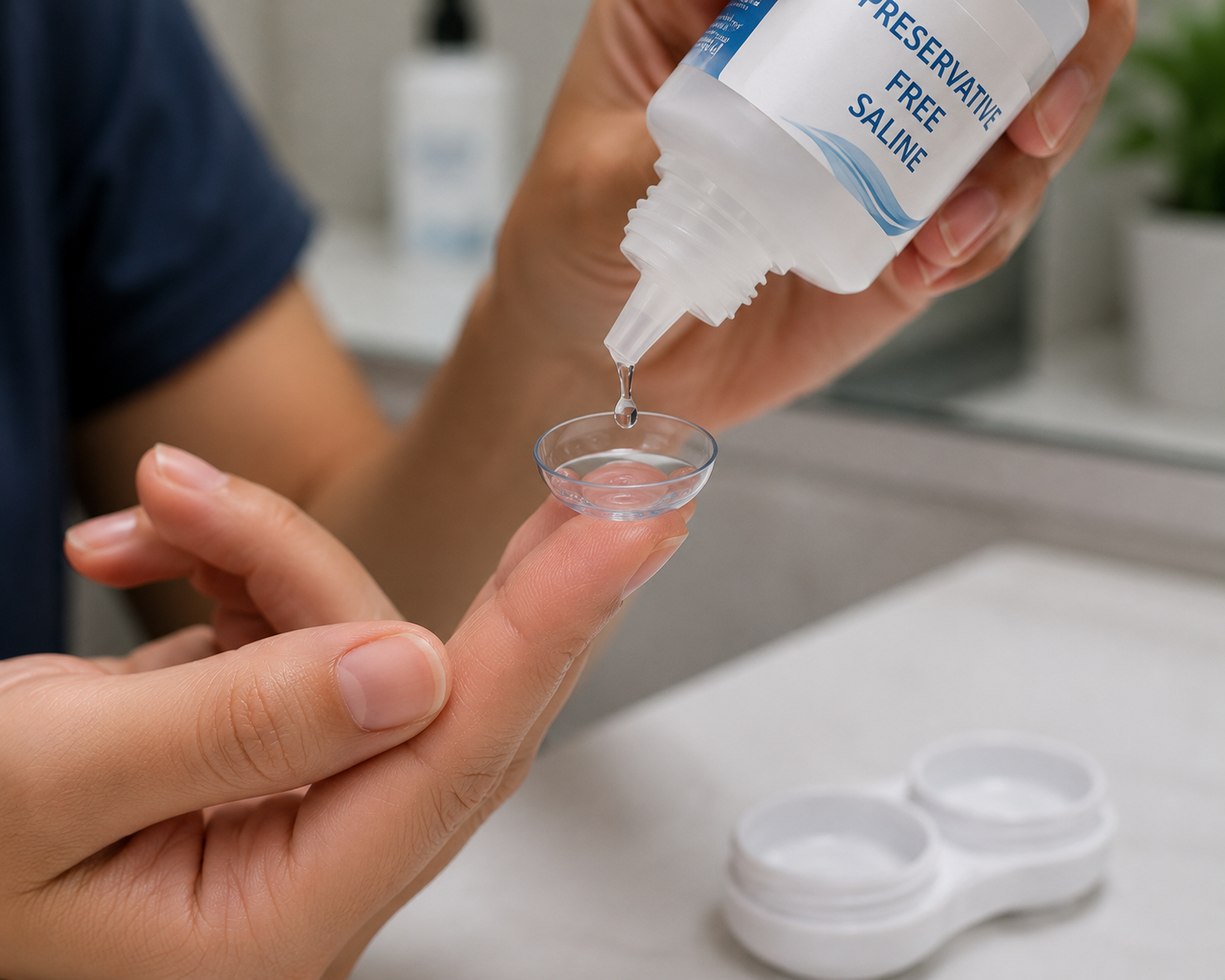
Before any removal attempt, instill two to three drops of preservative-free saline or rewetting drops into the eye. This step reduces friction between the lens edge and the conjunctival tissue, making both the lid margin technique and the pinch method more comfortable and less likely to cause irritation. You can find guidance on recommended eye drops and compatible solutions through the services offered at Texas Contact Lens Institute.
How to Insert Scleral Lenses Without a Plunger
The standard insertion method already relies primarily on the fingers rather than a plunger, so this is one area where most wearers are already comfortable. That said, there are specific details that make finger insertion more reliable.
The Three-Finger Hold
Place the lens on the tips of your thumb, index finger, and middle finger, forming a tripod support. This distributes the weight of the lens evenly and reduces the chance of tipping or spilling the saline during the process. Fill the bowl completely with preservative-free saline. The lens should be full to the brim with no air bubbles visible, which can cause blurry vision or discomfort after insertion.
Tilting and Opening the Lids
Tilt your head downward so you are looking at the floor, not straight ahead. Using your non-dominant hand, use one finger to hold the upper eyelid open against the brow bone and another finger or your thumb to hold the lower lid down. Bring the filled lens up directly under your eye, keeping it level to avoid spilling. When the lens contacts the eye, hold it in place for two to three seconds before slowly releasing your eyelids to capture it in position.
Centering the Lens
After releasing your lids, keep your head tilted down for a moment, then slowly raise it to look straight ahead. Gently blink. If vision is clear and comfortable, the lens is centered correctly. If you notice haziness, there may be an air bubble trapped beneath the lens, and you will need to remove and reinsert it.
How to Remove Scleral Lenses Without a Plunger
This is where most wearers feel uncertain without a DMV tool. Two primary finger techniques work well, and both are safe when performed correctly, as detailed in the blog at Texas Contact Lens Institute.
The Lid Margin Technique
This is widely considered the most effective method for removing scleral lenses without a plunger. Here is how to do it step by step:
Wash and dry your hands thoroughly.
Instill preservative-free drops to lubricate the eye.
Look straight ahead into a mirror.
Place the index finger of your dominant hand at the outer corner of your eye, at the junction where the upper and lower lids meet.
Gently pull the outer lid corner slightly toward your ear to create tension.
Blink deliberately and firmly. The tension at the lid margin creates a break in the vacuum seal, and the lens will pop forward onto your lower lid or into your waiting cupped hand.
Practice this over a folded towel or a flat surface until you develop confidence in the motion.
The Pinch and Slide Technique
The pinch method uses the index finger and thumb of your dominant hand. Look upward. Place the pad of your index finger on the lower edge of the lens, which will be exposed below your lower lid when you look up. Very slowly slide the lens downward, off the cornea and onto the sclera. Once it has moved down, gently pinch the lens edge between your thumb and index finger to lift it away from the eye. This technique requires patience. Do not pull quickly. A slow, deliberate slide breaks the vacuum more safely than a sharp tug.
Using a Sterile Q-Tip or Gauze as Assistance
If your fingertip alone does not provide enough leverage at the lens edge, a sterile cotton swab or small piece of clean gauze can help. Apply gentle pressure at the lower margin of the lens to help tilt it forward and break the seal. The soft material provides better grip on the lens edge than a bare fingertip, especially if you have shorter fingers or difficulty reaching the lens margin. This technique is a legitimate backup, though it should never replace proper training from a qualified specialist.
Safety Guidelines and When to Stop
Even gentle manual techniques carry some risk if repeated without success. The American Academy of Ophthalmology recommends stopping any contact lens removal attempt that causes escalating pain, redness, or tearing, and seeking professional help instead.
If the lens has not come out after three or four careful attempts, do not continue forcing it. Excessive pressure or repeated failed attempts raise the risk of corneal abrasion or conjunctival damage. Instead, instill more rewetting drops to soften the seal further, rest your eye for a few minutes, and try once more calmly. If your eye becomes noticeably red, painful, or significantly irritated, stop all attempts and call your eye care provider.
Texas Contact Lens Institute, located at 6020 W Parker Rd Ste 260, Plano, TX 75093 (phone: 972-299-8075), specializes in scleral lens fitting and patient education. Their referrals page can direct new patients or transfer cases to the right specialist. You can also learn more about their approach to specialty lens care through the contact page to schedule a consultation.
Building Long-Term Confidence With Scleral Lens Handling
Learning how to insert and remove scleral lens without plungers is a skill that improves with deliberate practice. Most new wearers feel awkward during the first few weeks, and that is completely normal. The Mayo Clinic's overview of contact lens safety highlights that most lens-related complications stem from improper handling rather than the lenses themselves.
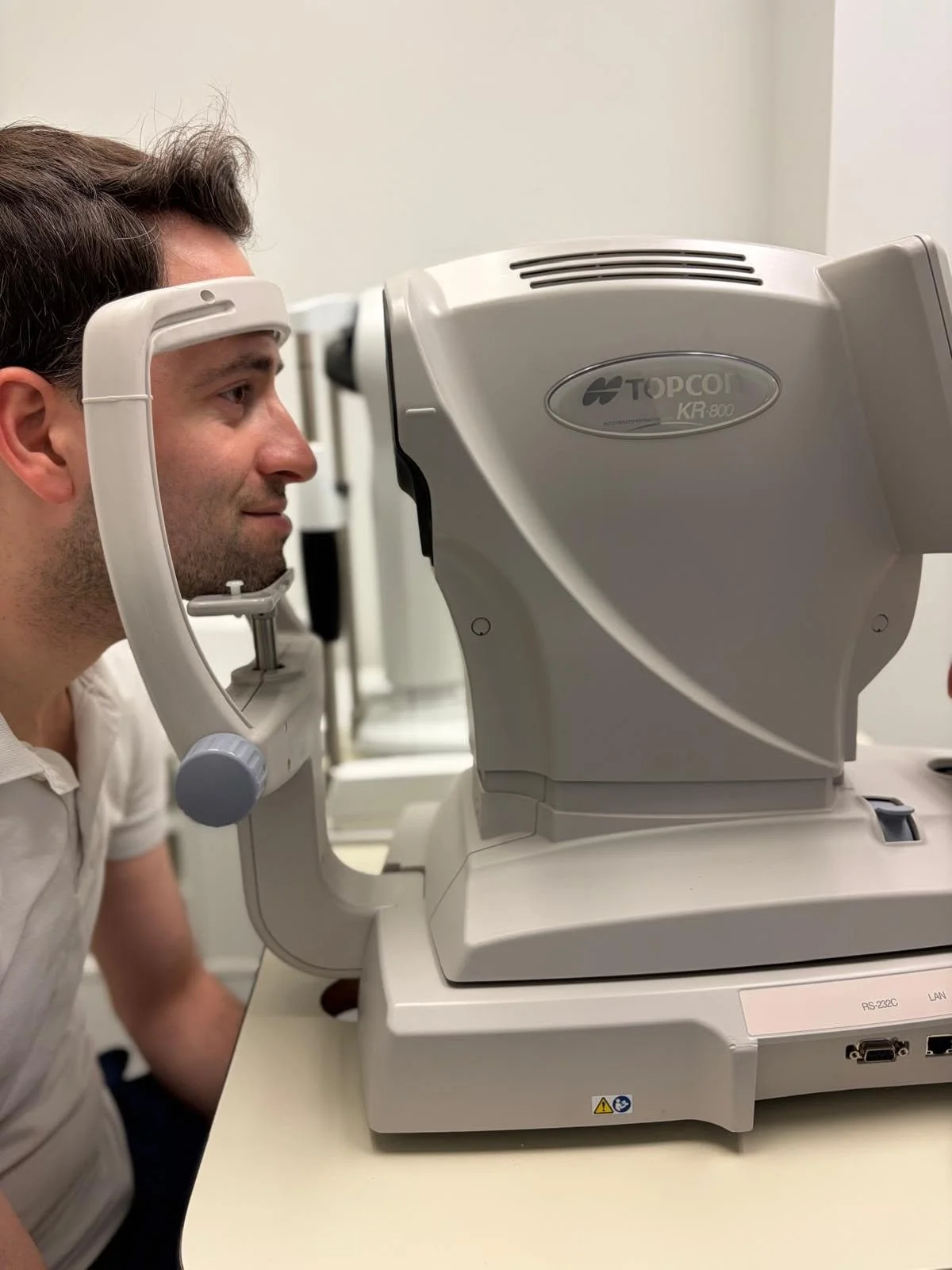
Reading about techniques is a starting point, but in-office training is where lasting competence comes from. The meet the doctor page at Texas Contact Lens Institute gives you a clear picture of who will be guiding your fitting and training process. Their blog also covers ongoing tips and updates relevant to specialty lens wearers.
If you have questions about your specific lens design, handling challenges, or are experiencing persistent difficulty, reach out directly through the contact page to schedule an appointment or ask about personalized coaching for lens insertion and removal.
Frequently Asked Questions
Q: Is it safe to remove a scleral lens without any tools at all?
Yes, finger-based techniques are safe when performed correctly with clean, trimmed hands and lubricated eyes.
Both the lid margin and pinch techniques are accepted methods used by scleral lens wearers worldwide. The key is to apply gentle, controlled pressure and stop if the eye becomes painful or red.
Q: What should I fill a scleral lens with if I run out of saline?
You should only use preservative-free saline solution to fill the lens bowl before insertion.
Tap water, distilled water, and standard saline with preservatives are not safe substitutes. CDC contact lens safety resources clearly state that tap water should never contact lenses or lens cases due to the risk of Acanthamoeba keratitis, a serious eye infection.
Q: Why does my scleral lens feel stuck and hard to remove?
The lens creates a mild vacuum seal against the sclera, which can feel stronger if the eye is dry or the lens has been worn for many hours.
Instilling rewetting drops before removal usually resolves this. If the lens consistently feels stuck, discuss your wearing schedule and fit with your eye care provider.
Q: How long does it take to get comfortable inserting and removing scleral lenses without a plunger?
Most wearers develop a reliable routine within two to four weeks of consistent daily practice.
Early sessions may take 15 to 20 minutes. With repetition and any adjustments suggested by your fitter, the process typically shortens to five minutes or less.
Q: Can I use any type of cotton swab to help remove my scleral lens?
Only sterile, individually wrapped cotton swabs should be used near the eye.
Avoid swabs that have been sitting open, as they can carry dust or bacteria. The cotton swab method is a backup technique and should not become a daily habit without guidance from your eye care provider.
The Bottom Line on How to Insert and Remove Scleral Lens Without Plungers
Finger-based insertion and removal techniques are reliable, safe, and worth mastering regardless of whether you always carry a plunger. The lid margin and pinch techniques give you real independence in managing your lenses, and proper preparation including handwashing, nail care, and lubrication dramatically improves your success rate.
If you are based in the Dallas-Fort Worth area and want personalized instruction from a rated specialist, Texas Contact Lens Institute in Plano, TX offers scleral lens fitting, training, and ongoing support. Reach out today to schedule your consultation and get the hands-on guidance that makes all the difference.
