
Dry Eye or Allergies? Symptom Differences, Causes, and When to Act
Dry eye and eye allergies share several overlapping symptoms, but they are distinct conditions that respond to very different treatments. Knowing which one you are dealing with is the first step toward real relief.
Key Takeaways
Itching is the hallmark of eye allergies; a gritty, burning sensation points more strongly toward dry eye.
According to Eyes on Eye Care (2023), ocular allergy affects an estimated 40% of the U.S. population, while dry eye affects 5 to 15%.
Between 31 and 36% of patients with allergic conjunctivitis also have dry eye, meaning you could be managing both at once.
Antihistamines and decongestants can worsen dry eye symptoms even while relieving allergy discomfort.
Symptoms lasting beyond two weeks, or symptoms that worsen without a clear seasonal trigger, warrant a clinical evaluation.
Daily disposable contact lenses and preservative-free eye drops are practical options for people dealing with either condition.
Allergy Symptoms vs. Dry Eye Symptoms: A Side-by-Side Breakdown
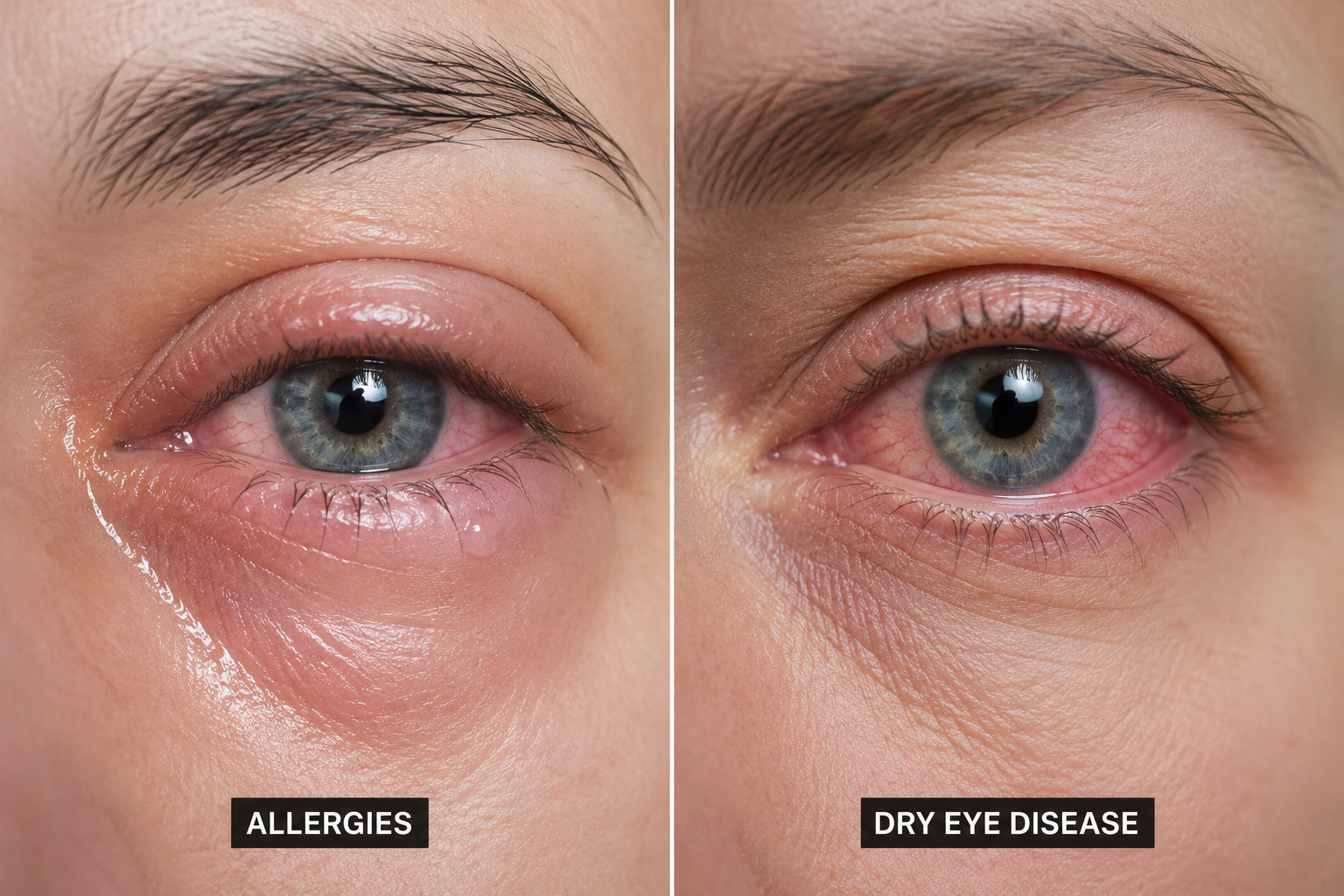
Before you reach for the nearest eye drop, it helps to map your symptoms to the right condition. The table below captures the most common signs of each.

Eye Allergy Symptoms
Allergic conjunctivitis almost always announces itself with intense itching. Your eyes may look swollen and pink, and you will often notice watery discharge. Symptoms tend to track closely with pollen counts, pet exposure, or indoor allergens like dust mites and mold. According to the American Academy of Ophthalmology, seasonal allergens can also trigger or amplify dry eye symptoms, which is one reason the two conditions so frequently overlap.
Dry Eye Symptoms
Dry eye disease feels less like an itch and more like something is lodged in your eye. Burning, stinging, and a persistent gritty sensation are the hallmarks. You may also notice blurred vision that clears when you blink, increased discomfort in air-conditioned or heated rooms, and sensitivity to light. According to the 2024 Dry Eye Report, approximately 16 million Americans have been diagnosed with dry eye disease, and the condition is expected to account for 43.39% of optometric clinical focus over the next 12 months.
Causes and Treatments for Each Condition
Eye Allergies: What Triggers Them and How to Treat Them
Causes
Eye allergies occur when your immune system overreacts to a harmless substance. Common triggers in the United States include tree pollen in spring, grass pollen in summer, ragweed in fall, and year-round culprits like pet dander, mold, and dust mites. When allergens contact the eye's surface, mast cells release histamine, causing the itching, swelling, and redness you feel almost immediately.
Treatment and Prevention
Treatment centers on reducing histamine activity and limiting allergen exposure:
Over-the-counter antihistamine/mast cell stabilizer drops (e.g., ketotifen-based drops like Zaditor or Alaway)
Prescription antihistamine drops for more severe cases
Avoiding outdoor activity on high-pollen days and keeping windows closed during allergy season
Washing hands and face after outdoor exposure
Rinsing eyes with sterile saline to flush allergens
One important caution: oral antihistamines (like cetirizine or diphenhydramine) can significantly reduce tear production. WebMD's overview of dry eyes and allergies notes this medication interaction, meaning treating your allergy with an oral pill could make a concurrent dry eye condition worse.
Dry Eye: Causes and Evidence-Based Treatments
Causes
Dry eye disease develops when your eyes produce insufficient tears or when the tear film evaporates too quickly. Risk factors include:
Age (more common after 40, and disproportionately affects women)
Extended screen use, which reduces blink rate
Contact lens wear
Dry or windy climates, air conditioning, and indoor heating
Medications including antihistamines, antidepressants, and blood pressure drugs
Autoimmune conditions such as Sjogren's syndrome
Treatment
Dry eye treatment is tiered by severity:
Preservative-free artificial tears for mild symptoms (preservatives in multi-dose bottles can irritate the eye surface over time)
Warm compresses and eyelid massage to clear meibomian gland blockages responsible for evaporative dry eye
Prescription drops: cyclosporine (Restasis) or lifitegrast (Xiidra) to address underlying inflammation
Punctal plugs to slow tear drainage
Omega-3 supplementation as a supportive measure
Humidity control at home (targeting 40 to 50% indoor humidity) and taking regular screen breaks using the 20-20-20 rule (every 20 minutes, look 20 feet away for 20 seconds) are simple lifestyle changes that can reduce daily symptom burden.

Contact Lens Considerations
Contact lens wear complicates both conditions. Lenses can trap allergens against the eye surface and reduce the oxygen flow that helps maintain a stable tear film. For people dealing with dry eye or allergies, these practical steps make a meaningful difference:
Switch to daily disposable lenses, which eliminate protein and allergen buildup that accumulates on reusable lenses
Choose silicone hydrogel materials, which allow more oxygen transmission
Limit daily wear time during high-pollen seasons
Consider glasses-only days when symptoms flare
If you are in the Plano, TX area, the team at Texas Contact Lens Institute (6020 W Parker Rd Ste 260, Plano, TX 75093, (972) 299-8675) can evaluate your lens fit and recommend materials suited to sensitive or dry eyes.
When Symptoms Require a Professional Evaluation
Some situations call for more than a pharmacy run. Schedule an appointment if:
Symptoms persist for more than two weeks without a clear allergen trigger
Over-the-counter drops provide no meaningful relief after one week of consistent use
You notice vision changes, significant light sensitivity, or eye pain
Symptoms worsen despite avoiding known allergens
You suspect you are managing both conditions simultaneously
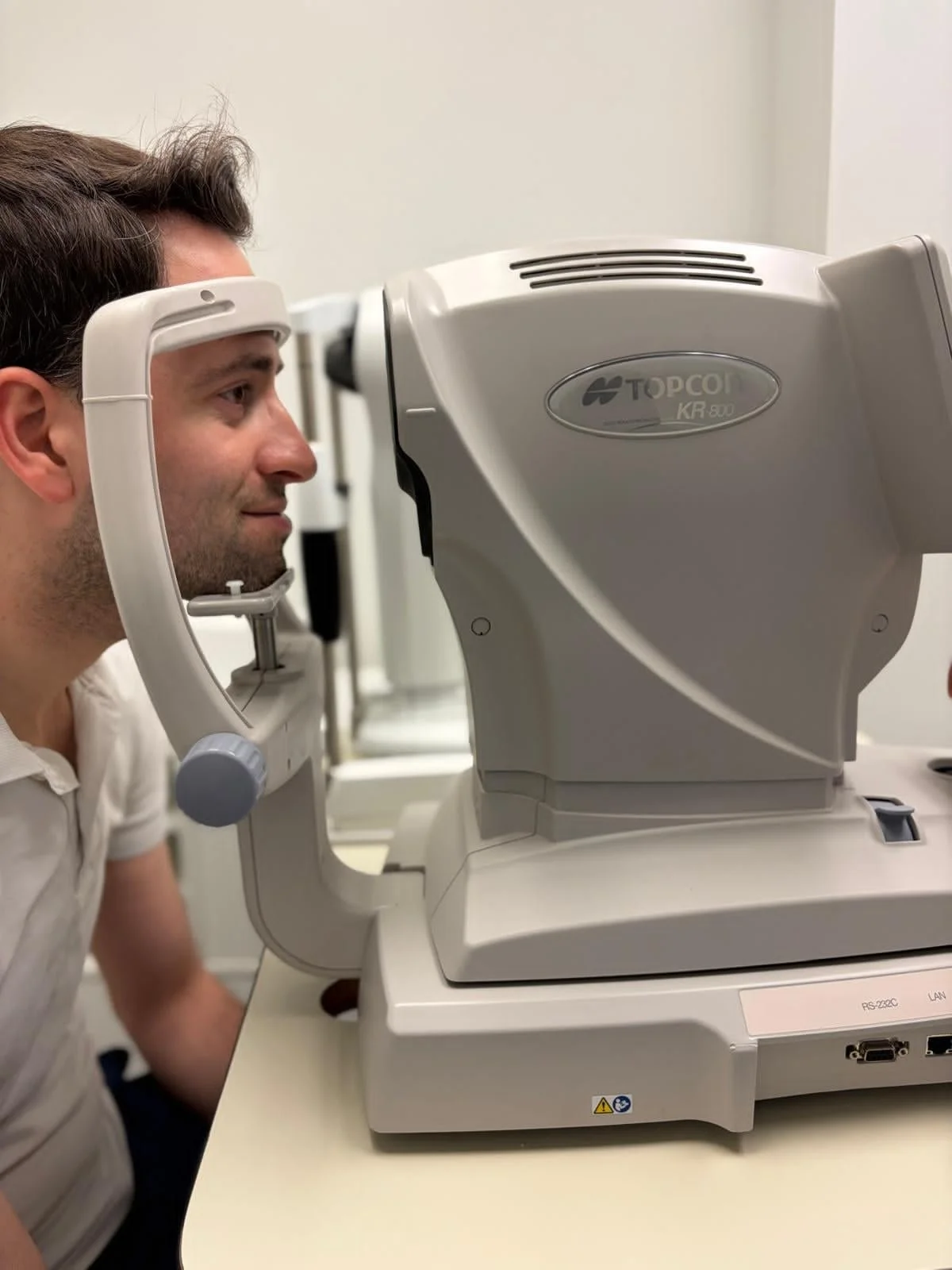
A clinical exam can include the Schirmer test (measuring tear production with a small paper strip) and ocular surface staining to assess damage to the cornea and conjunctiva. These tests take only minutes and give your eye care provider objective data rather than relying solely on your reported symptoms. The Clewner & Kelly Eye Center outlines why accurate diagnosis matters, especially given that 31 to 36% of people with allergic conjunctivitis also have dry eye disease, making self-treatment alone a hit-or-miss approach.
Things to Know
Reflex tearing (watery eyes) can occur with dry eye disease, which counterintuitively makes some people think they cannot have dry eye.
Antihistamine eye drops treat allergies but do not address the tear film dysfunction driving dry eye.
Dry eye costs the U.S. health care system nearly $4 billion annually, reflecting how undertreated and underdiagnosed it remains.
Symptoms that start year-round rather than seasonally are more likely to be dry eye than allergies.
Both conditions can worsen in airplane cabins due to extremely low cabin humidity.
Frequently Asked Questions
Q: Can eye allergies actually cause dry eye disease?
Yes, allergic conjunctivitis can contribute to dry eye by disrupting the tear film and triggering ocular surface inflammation.
Allergen exposure promotes mast cell activity, which releases chemicals that damage the cells responsible for producing tears. Over time, repeated allergic episodes can reduce tear quality even when allergy symptoms are not actively flaring.
Q: How do I know if itching means allergies and not dry eye?
Intense, persistent itching is the single strongest indicator of an allergic response rather than dry eye.
Dry eye can cause mild irritation and occasional itching, but if the urge to rub your eyes is overwhelming and accompanied by sneezing or a runny nose, an allergic cause is far more likely.
Q: Should I use antihistamine drops or artificial tears first?
Start with artificial tears if your primary symptoms are burning and grittiness; use antihistamine drops if itching and redness are dominant.
Using the wrong drop not only fails to relieve symptoms but can sometimes worsen the other condition. When symptoms overlap, a professional evaluation gives you a clearer starting point.
Q: Do antihistamine pills make dry eye worse?
Yes, oral antihistamines are well documented to reduce tear production, which can worsen dry eye symptoms significantly.
If you rely on oral allergy medications during spring or fall, adding preservative-free artificial tears to your routine can help offset some of that drying effect.
Q: What tests does an eye doctor use to tell the two conditions apart?
Key diagnostic tools include the Schirmer test for tear volume, ocular surface staining with fluorescein or lissamine green, and a review of your symptom history.
Allergy-specific tests, including skin prick tests or blood panels, may also be ordered if your eye doctor suspects a broader allergic condition is driving your symptoms.
The Bottom Line on Dry Eye or Allergies
Dry eye or allergies can look remarkably similar from the outside, but the treatment paths diverge quickly once you pinpoint the correct cause. Itching with a clear seasonal pattern points toward allergies; year-round burning and grittiness point toward dry eye. And because these conditions frequently coexist, treating only one while ignoring the other will leave you managing symptoms rather than resolving them.
Your next step is straightforward: note which symptoms are most prominent, consider whether they follow a seasonal pattern, and consult an eye care professional if over-the-counter relief is not working. If you are in Plano or the greater Dallas-Fort Worth area, Texas Contact Lens Institute at 6020 W Parker Rd Ste 260, Plano, TX 75093 can help you get a definitive diagnosis and a treatment plan that actually fits your situation. Call (972) 299-8675 to schedule an evaluation.
