
Natural Relief for Dry Eyes: Simple Lifestyle Hacks and the Truth About Homeopathic Drops
Dry eyes can be managed at home through targeted lifestyle changes like adjusting screen habits, improving hydration, and modifying your environment. At the same time, the truth about homeopathic drops is more complicated than most product labels suggest and knowing the difference between helpful and harmful options can protect your vision.
Key Takeaways
Approximately 16 million Americans have diagnosed dry eye disease, but prevalence estimates range as high as 50% depending on how the condition is defined.
The 20-20-20 rule, warm compresses, and consistent lid hygiene are among the most practical lifestyle strategies for symptom relief.
Omega-3 supplements are more contested than commonly assumed — a large NIH-funded trial found them no better than placebo for moderate-to-severe dry eye. Discuss with your provider rather than self-prescribing.
Homeopathic eye drops are not FDA-approved, and the agency has stated these products should not be marketed at all. Several have been recalled for bacterial contamination.
The FDA has issued safety warnings on dozens of over-the-counter eye drops due to contamination risks, including products from major retail brands.
Artificial tears backed by clinical evidence remain the first-line OTC recommendation for most dry eye sufferers.
Persistent or worsening symptoms require a professional evaluation, not a trip to the supplement aisle.
Source: Farrand KF, Fridman M, Özer Stillman I, Schaumberg DA. Prevalence of Diagnosed Dry Eye Disease in the United States Among Adults Aged 18 Years and Older. Am J Ophthalmol. 2017;182:90-98.
Why So Many Americans Are Dealing with Dry Eyes Right Now
Dry eye disease is no longer a niche complaint. According to available prevalence data, approximately 16 million Americans carry a formal diagnosis, and broader estimates suggest up to 50% of adults experience symptoms at some point. Dry eye disease is no longer a niche complaint. According to available prevalence data, approximately 16 million Americans carry a formal diagnosis, and broader estimates range from 5% to 50% depending on the diagnostic criteria used. Among adults over 40, between 10% and 20% report moderate to severe symptoms.
Sources: Farrand KF, Fridman M, Özer Stillman I, Schaumberg DA. Prevalence of Diagnosed Dry Eye Disease in the United States Among Adults Aged 18 Years and Older. Am J Ophthalmol. 2017;182:90-98. | Stapleton F, et al. TFOS DEWS II Epidemiology Report. Ocul Surf. 2017;15(3):334-365. | Stapleton F, et al. Epidemiology and Risk Factors of Dry Eye Disease. Medicina. 2024;60(9):1458.
Several factors are driving this trend upward. Digital device usage sits at the top of the list. When you stare at a screen, your blink rate drops significantly, which means the tear film over your eye dries out faster than it can be replenished. Researchers are increasingly concerned about rising rates of dry eye symptoms even in children due to early and heavy screen exposure.
Other contributing factors include:
Contact lens wear, particularly older lens types not optimized for oxygen permeability
Living or working in air-conditioned or heated environments with low humidity
Aging, which reduces tear production naturally
Certain medications, including antihistamines, antidepressants, and blood pressure drugs
Autoimmune conditions like Sjögren's syndrome and rheumatoid arthritis
Understanding what's behind your symptoms is the first step before reaching for any remedy, whether it's a lifestyle change or a product off a store shelf.
Source: Farrand KF, Fridman M, Özer Stillman I, Schaumberg DA. Prevalence of Diagnosed Dry Eye Disease in the United States Among Adults Aged 18 Years and Older. Am J Ophthalmol. 2017;182:90-98.

Proven Lifestyle Hacks That Actually Reduce Dry Eye Symptoms
Hydration and Diet Changes Worth Making
Your tear film is largely water, so chronic mild dehydration can affect tear volume and stability. Staying consistently hydrated through the day is a baseline that many dry eye sufferers overlook, though individual needs vary by body size, activity level, and climate.
Diet plays a supporting role as well. Fatty fish like salmon, mackerel, and tuna are rich in omega-3 fatty acids, which improve the oily (lipid) layer of the tear film. That lipid layer is what slows evaporation. Without it, even a normal volume of tears evaporates too quickly, leaving the eye surface exposed. The American Optometric Association notes that cold-water fish are the best dietary sources of omega-3s and can help reduce inflammation, enhance tear production, and support the eye's oily outer layer.
Foods to add to your routine:
Salmon, sardines, and mackerel (2-3 servings per week)
Flaxseed and chia seeds for plant-based omega-3s
Leafy greens rich in vitamin A, which supports healthy corneal surface cells
Walnuts as a convenient omega-3 snack option
Screen Time Habits and the 20-20-20 Rule
One of the simplest, most consistently recommended strategies is the 20-20-20 rule. Every 20 minutes, look at something at least 20 feet away for at least 20 seconds. This forces a natural blink reset and gives your eyes a brief recovery period.
Additional screen hygiene practices worth adopting:
Position your monitor slightly below eye level, which reduces the exposed eye surface area
Reduce screen brightness to match ambient room lighting
Use a matte screen filter to cut glare
Set a reminder app or use built-in screen time tools on your phone or computer
Environmental Controls at Home and at Work
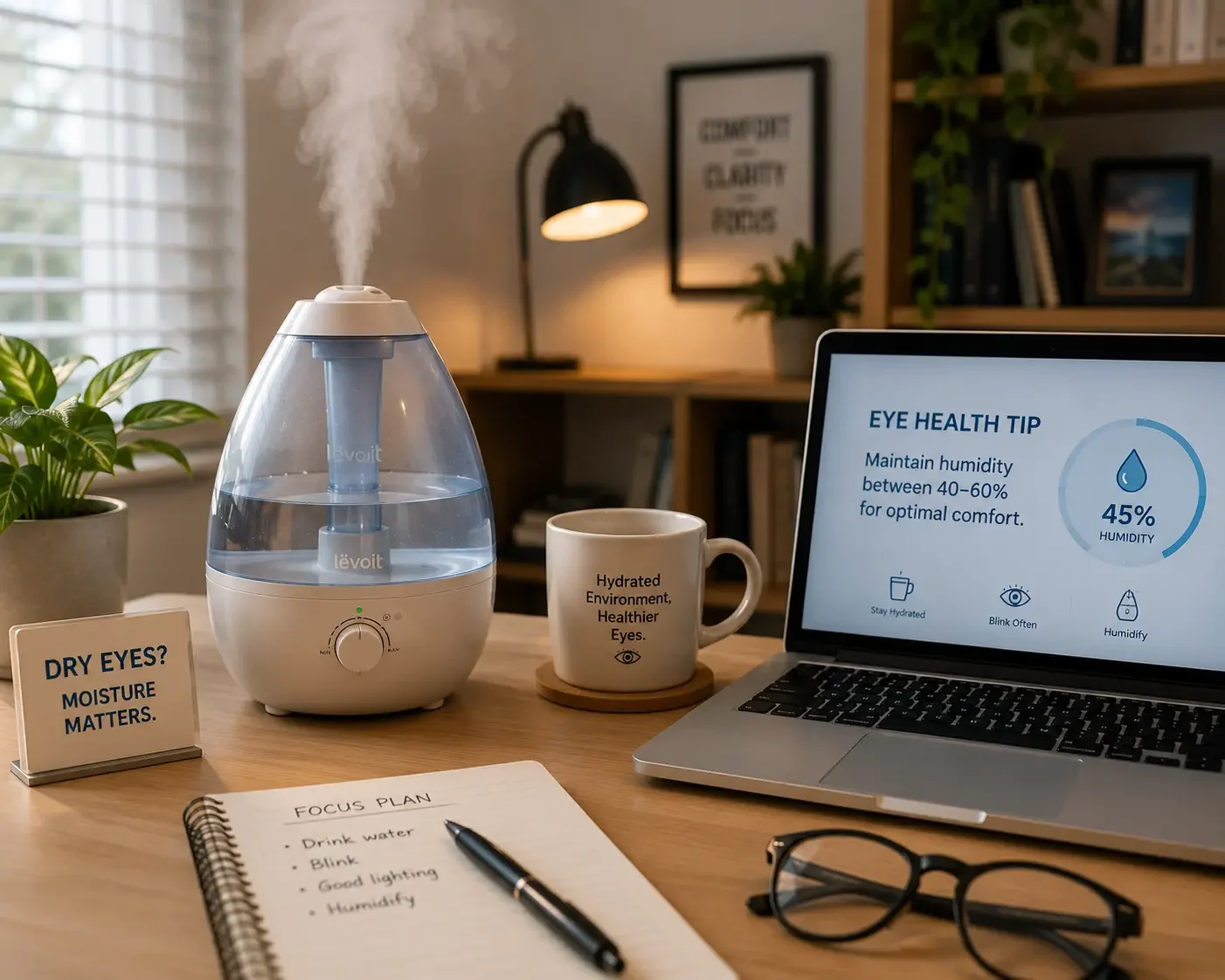
If you wear contact lenses, switching to daily disposable lenses or specialty designs may also reduce surface irritation. The services offered at specialty clinics like Texas Contact Lens Institute include dry eye treatment and specialty contact lens fitting for patients who can't tolerate standard lenses.
The Real Truth About Homeopathic Eye Drops
Here's where it gets important. The term "natural" on an eye drop label does not mean safe, and "homeopathic" does not mean effective.
What Homeopathy Actually Claims and Why Scientists Reject It
Homeopathy is based on two core principles: the "law of similars" (substances that cause symptoms in healthy people can treat those same symptoms in sick people) and the "law of infinitesimals" (diluting a substance makes it more potent). Neither principle has been validated by modern science. The National Institutes of Health's National Center for Complementary and Integrative Health states clearly that the effectiveness of homeopathic substances has not been demonstrated by scientific research.
Some clinical trials have shown modest symptom relief from specific homeopathic formulas. A randomized study comparing homeopathic eye drops to saline found that Homeoptic® provided greater relief for mild-to-moderate dry eye symptoms. However, this is a narrow finding on a single product, not a validation of homeopathy as a category.
Source: Mortemousque B, Pisella PJ, Salaun N, Lemaire N, Chanel I. Homoeopathic eye drops in the treatment of mild-to-moderate dry eye disease: Randomised, prospective, multicentre, single-masked study. European Journal of Ophthalmology. 2024.
FDA Warnings, Recalls, and the Contamination Risk You Need to Know
Eyes are what scientists call "immune-privileged" sites. The blood-eye barrier limits the immune system's access to ocular tissue, which means bacteria introduced through contaminated drops can cause serious, rapid infections including bacterial keratitis, a condition that can result in permanent vision loss if untreated.
The FDA's current policy on homeopathic drug products emphasizes that many homeopathic products have not been reviewed for safety or efficacy. The agency has been pushing for expanded oversight, including mandatory recall powers and manufacturer inspections.
If you're currently using a homeopathic eye drop, check the brand against available recall databases and verify the manufacturing location. Products made outside the US face fewer regulatory controls during production.
What to Use Instead
For most people with mild to moderate dry eye, preservative-free artificial tears are the evidence-backed OTC starting point. Look for products containing ingredients like carboxymethylcellulose or sodium hyaluronate. Gel drops work better for nighttime use when thicker lubrication is acceptable.
If you're unsure whether your symptoms are caused by meibomian gland dysfunction (evaporative dry eye) versus aqueous deficiency (low tear production), a professional evaluation will point you to the right approach.
When Lifestyle Hacks Aren't Enough: Recognizing the Signs You Need Professional Help
Lifestyle changes and over-the-counter drops are appropriate for mild, situational dry eye. But if your symptoms persist beyond two to three weeks of consistent self-care, or if you're experiencing any of the following, a professional evaluation is warranted:
Blurred vision
Eye pain or significant burning not relieved by lubricating drops
Light sensitivity
Discharge or redness
Symptoms that worsen despite treatment
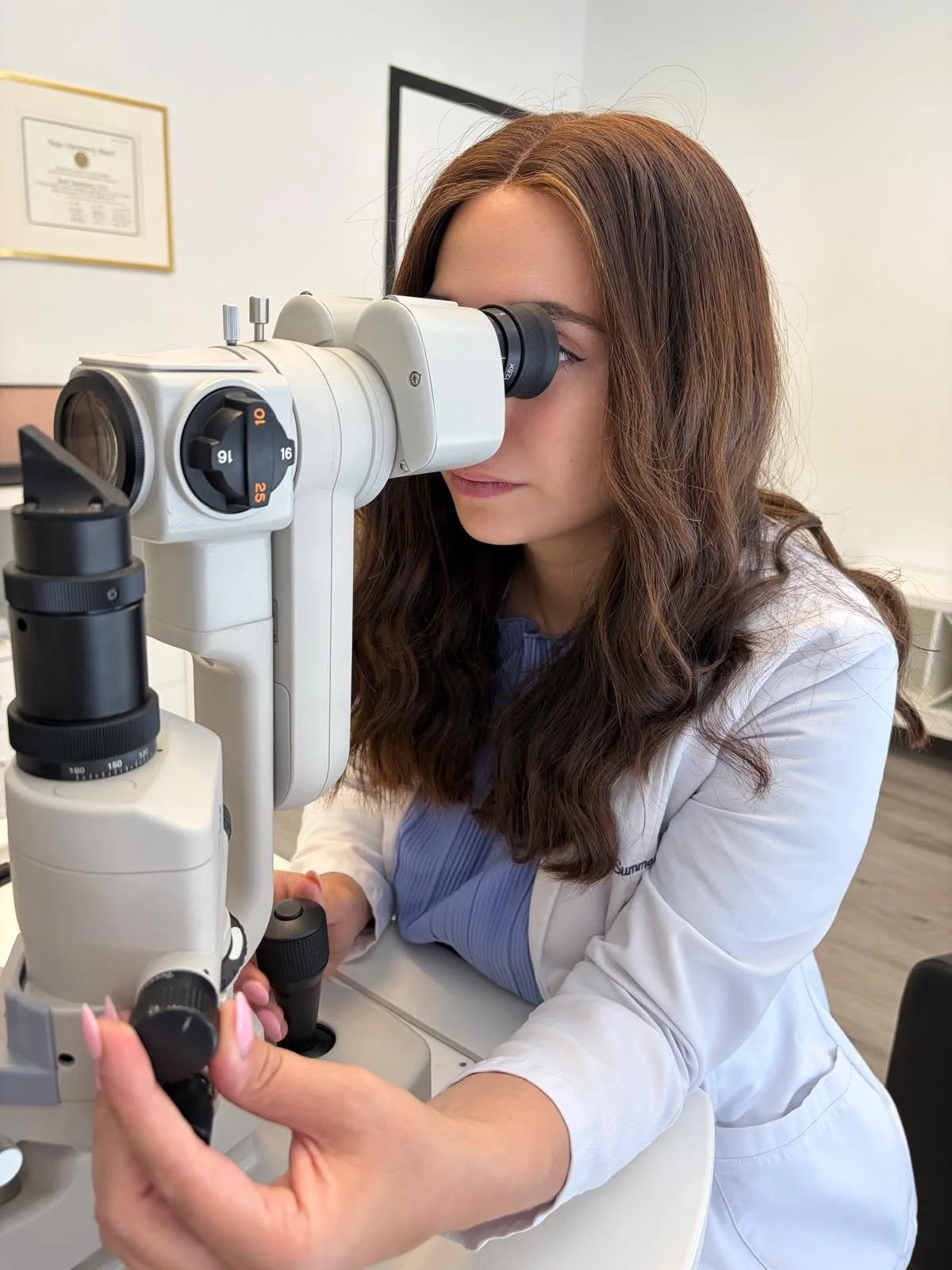
The team at Texas Contact Lens Institute, located at 6020 W Parker Rd Ste 260 in Plano, TX, specializes in dry eye treatment alongside scleral lens fitting for patients with more complex ocular surface conditions. Visiting the meet the doctor page gives you background on the clinical expertise available before your first appointment.
For patients whose dry eye symptoms are tied to prior surgeries, keratoconus or corneal irregularities, scleral lenses can vault over the damaged surface entirely and provide both vision correction and a fluid reservoir that keeps the eye continuously lubricated. This is one area where a generalist eye care provider may not have the same depth of expertise as a specialty practice.
The referrals section of the Texas Contact Lens Institute website is designed specifically for cases where a referring physician wants to connect a patient with specialty dry eye care. If your optometrist or ophthalmologist has recommended a second opinion on your dry eye management, that pathway is available.
Things to Know
The 20-20-20 rule is widely cited but only effective if you actually follow it consistently. Setting a timer or using a dedicated app makes compliance much more realistic.
A meta-analysis of 19 randomized controlled trials found that omega-3 supplementation improved dry eye symptoms and tear film measures across more than 4,000 patients. Supplements are often easier to dose consistently than eating enough fatty fish each week.
Not all artificial tears are equal. Preservative-containing drops are fine for occasional use but can worsen the eye surface if used more than four times daily.
Homeopathic products sold in the US before 1938 were grandfathered under the Food, Drug, and Cosmetic Act and have not undergone the same safety review as other OTC medications.
Wearing contact lenses for longer hours than prescribed is one of the most common and preventable causes of chronic dry eye symptoms.
The Mayo Clinic's dry eye overview and the American Optometric Association are both reliable resources for verifying treatment claims you encounter online.
Source: Wang WX, Ko ML. Efficacy of Omega-3 Intake in Managing Dry Eye Disease: A Systematic Review and Meta-Analysis of Randomized Controlled Trials. J Clin Med. 2023;12(22):7026.
Frequently Asked Questions
Q: Can drinking more water actually improve dry eye symptoms?
Yes, staying well-hydrated supports tear film stability, though it works best as part of a broader approach.
Dehydration reduces the aqueous component of your tears, making them less effective at lubricating the eye surface. Aiming for 64 oz of water daily is a reasonable baseline, but pairing hydration with dietary omega-3s and environmental adjustments produces better results than water intake alone.
Q: Are there any homeopathic eye drops that are actually safe to use?
Some specific products have shown limited clinical benefit, but the category as a whole lacks rigorous safety oversight.
The FDA has issued repeated warnings about contamination risks in homeopathic drops, including bacterial contamination found in products at major US retailers. If you choose to use a homeopathic product, verify it hasn't been recalled and confirm it's manufactured in an FDA-inspected facility.
Q: How do I know if I have evaporative dry eye versus tear deficiency dry eye?
The two types require different treatments, and distinguishing them accurately typically requires a clinical evaluation with specific diagnostic tests.
Evaporative dry eye is usually caused by meibomian gland dysfunction, where the oily layer of the tear film breaks down. Aqueous deficiency dry eye involves reduced tear production. A specialist can identify which type you have.
Q: Is the 20-20-20 rule backed by clinical evidence?
Partially. Structured screen breaks improve symptom scores, though measurable clinical signs did not change in the study that tested it directly.
A two-week study testing the 20-20-20 rule found that structured screen breaks improved digital eye strain and dry eye symptom scores. While large-scale randomized controlled trials are limited, clinical recommendations from organizations like the American Optometric Association support its use as a low-risk, cost-free habit for screen users.
Source: Talens-Estarelles C, Cerviño A, García-Lázaro S, Fogelton A, Sheppard A, Wolffsohn JS. The effects of breaks on digital eye strain, dry eye and binocular vision: Testing the 20-20-20 rule. Cont Lens Anterior Eye. 2023;46(2):101744.
Q: When should I stop trying home remedies and see a specialist?
If symptoms persist for more than two to three weeks despite consistent self-care, or if you experience pain, vision changes, or discharge, professional evaluation should not be delayed.
Delaying care for dry eye caused by an underlying condition can lead to corneal surface damage over time. Texas Contact Lens Institute offers dry eye treatment and specialty care; you can reach out through the contact page or call +1 972-299-8675 to schedule an evaluation.
The Bottom Line on Natural Relief for Dry Eyes
Natural relief for dry eyes is genuinely achievable for many people through consistent lifestyle adjustments, including better hydration, omega-3 intake, screen habit changes, and environmental improvements. These strategies are low-risk, low-cost, and supported by clinical evidence. Homeopathic drops, however, occupy a different category. While isolated products have shown modest results, the category lacks the regulatory framework and scientific foundation to be recommended broadly, and contamination risks are real and documented.
If you've been managing symptoms on your own and aren't seeing improvement, the next step is a professional evaluation. You can start by browsing the blog at Texas Contact Lens Institute for clinically informed content on dry eye and specialty lens care, or visit the home page to learn more about their full range of services. For persistent or complex dry eye, specialty care is the most direct path to lasting relief.
